
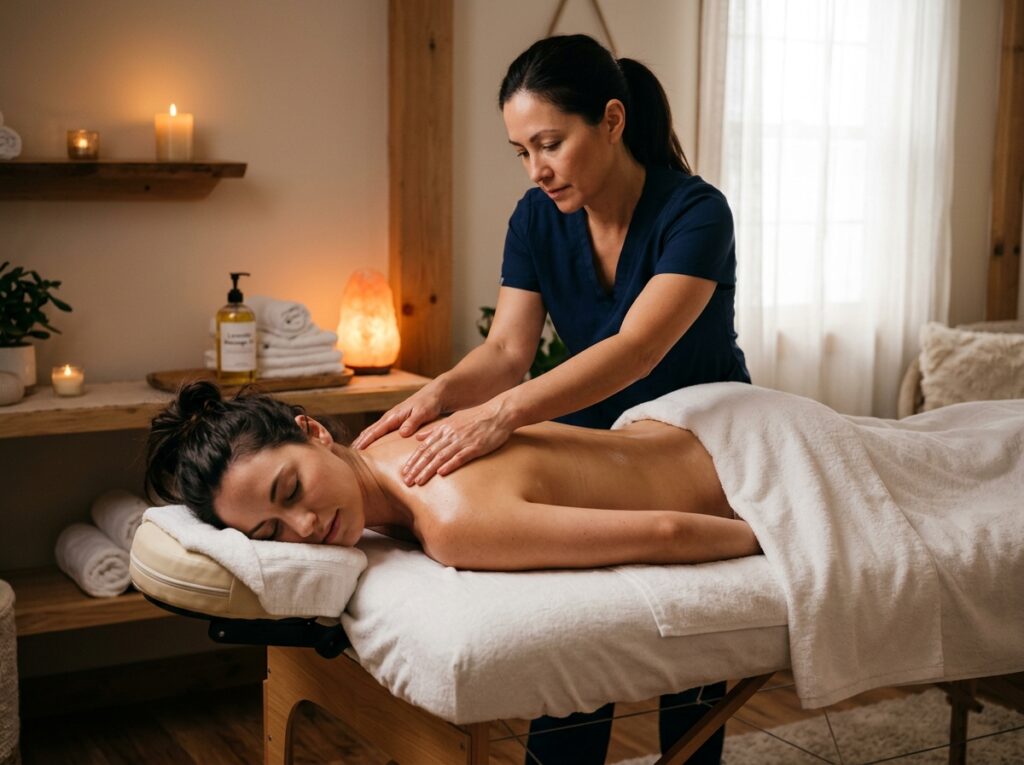
Deep Tissue vs. Swedish Massage in Mangaluru: Which One is Right for You?
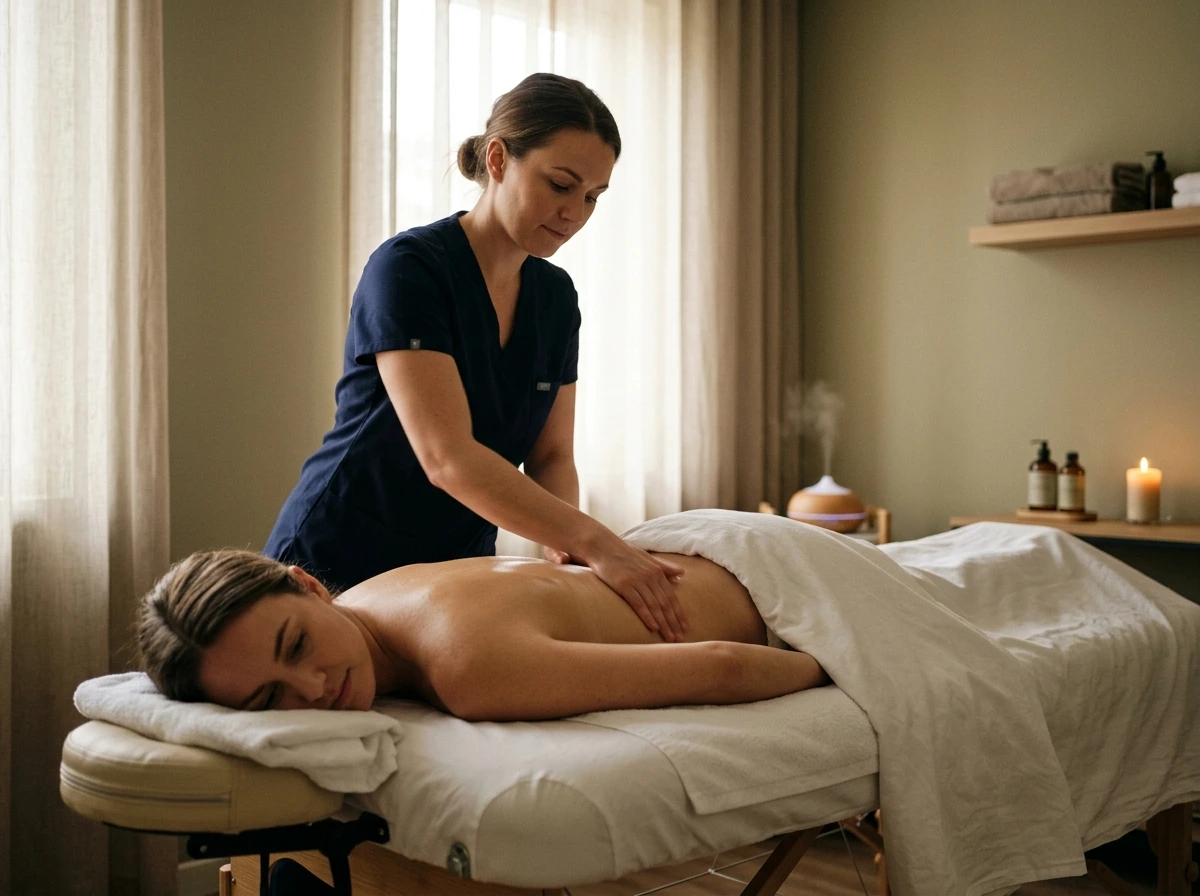
Residents, busy professionals, and fitness enthusiasts in Mangaluru frequently weigh the differences between soothing Swedish massage and intensive Deep Tissue therapy to resolve stress and muscle pain. Swedish and deep tissue massage.
While Swedish massage utilizes gentle, flowing strokes to calm the nervous system and boost circulation, Deep Tissue therapy applies firm, targeted pressure to break down stubborn myofascial knots.
Choosing the right massage depends entirely on whether your primary goal is general stress relief and relaxation or the structural rehabilitation of chronic muscular pain.
Ira Spa in Kodialbail offers expert consultations and both premier massage modalities, delivering tailored physical recovery and profound relaxation right here in Karnataka.
Living and working in a bustling coastal city like Mangaluru involves managing demanding schedules in commercial hubs like Hampankatta or MG Road, long hours sitting at office desks, and the physical strain of daily commuting through heavy traffic. Over time, this active or sedentary lifestyle takes a heavy toll on your body, manifesting either as general mental fatigue and tight shoulders or as deep, localized muscular pain and stubborn knots. When booking a spa day, selecting the correct massage technique is essential to achieving the relief your body actually requires.
If you have ever stared at a spa menu wondering whether you need the gentle serenity of a Swedish massage or the intensive rehabilitation of a Deep Tissue session, understanding the distinct science behind both modalities will help you make the perfect choice for your body.
Understanding Swedish Massage: Gentle Flow, Stress Relief, and Circulation
Swedish massage is globally recognized as the foundational standard of relaxation therapy. It is specifically engineered to balance your autonomic nervous system and soothe everyday wear and tear.
Long Gliding Strokes and Cortisol Reduction
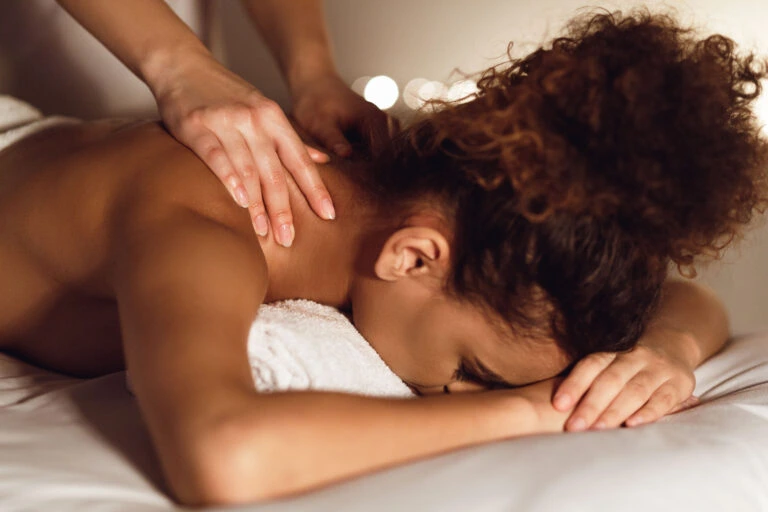
The hallmark of a Swedish massage is effleurage—long, flowing, rhythmic strokes moving toward the heart. This mechanical action stimulates superficial blood vessels, enhances arterial circulation, and signals the brain to rapidly lower circulating cortisol (stress hormone) levels while releasing mood-boosting endorphins.
Superficial Muscle Relaxation and Flexibility
Using light-to-moderate pressure and gentle kneading (petrissage), a Swedish massage warms up superficial muscle tissues, eases mild postural stiffness, and improves overall joint mobility without causing post-massage soreness. It is the ultimate antidote to mental burnout and daily nervous system overload.

Understanding Deep Tissue Massage: Intensive Myofascial Release and Pain Relief
Deep Tissue massage shares many of the same physiological strokes as Swedish massage, but its purpose and execution are distinctly clinical and structural.
Book Your Appointment
Targeting the Deep Myofascial Layer
Beneath your superficial muscles lies the fascia—a dense web of connective tissue that wraps around muscles and bones. Chronic stress, poor posture, or athletic injuries cause this fascia to bind together, forming rigid knots and scar tissue. Deep Tissue massage uses slow, deliberate, heavy-pressure strokes and localized friction to physically separate these compressed fibers.
Rebuilding Range of Motion and Alleviating Chronic Pain
By focusing directly on the source of chronic muscular pain—such as lower back stiffness, frozen shoulders, or tight hamstrings—Deep Tissue therapy breaks down deep adhesions, restores proper muscle alignment, and unlocks a full, pain-free range of motion.
Swedish Massage vs. Deep Tissue Massage: Head-to-Head Comparison
Choosing between these two popular therapies comes down to a few key operational differences:
Book Your Appointment
Pressure Level and Intensity
Swedish: Light to moderate pressure designed for soothing comfort and nervous system calm.
Deep Tissue: Firm, concentrated, and occasionally intense pressure targeting deep muscle layers and stubborn knots.
Primary Therapeutic Goal
Swedish: Comprehensive stress relief, improved sleep, enhanced circulation, and mental relaxation.
Deep Tissue: Rehabilitation of chronic injuries, elimination of deep muscle knots, posture correction, and pain management.
Experience Your Ideal Massage Tailored to You at Ira Spa in Kodialbail
Located centrally in Lotus Paradise Elite, Kodialbail, Ira Spa is Mangaluru’s premier sanctuary for customized wellness and therapeutic bodywork.
Our serene, beautifully designed spa environment provides the ultimate escape from daily stress. Before every session, our expert therapists perform a detailed consultation to assess your physical tension and emotional state, recommending either a deeply calming Swedish massage or an intensive Deep Tissue recovery session tailored precisely to your needs.
Whether you need to melt away the mental weight of a grueling work week with gentle flowing strokes or rehabilitate chronic muscle pain with expert deep-pressure work, Ira Spa is your trusted destination for complete physical and mental restoration.